Understanding ADHD in Women: Key Insights
Health, Women with ADHD, Consumer Awareness
Women with ADHD: What Every Woman, Partner, and Consumer Needs to Know
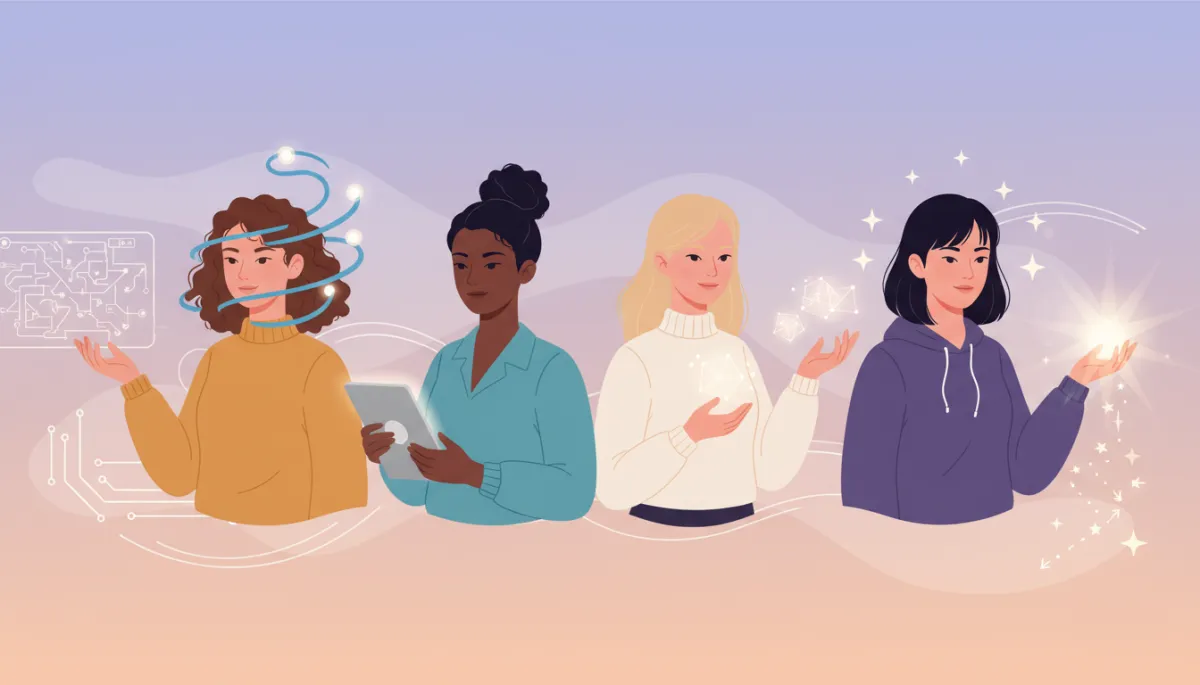
Attention-Deficit/Hyperactivity Disorder (ADHD) is often pictured as a hyperactive little boy who can’t sit still. Yet millions of women quietly live with ADHD that looks very different—and is frequently missed, doubted, or dismissed. Understanding how ADHD shows up in women helps individuals advocate for themselves and make smarter choices as health and wellness consumers.
How ADHD Shows Up Differently in Women
Many women grow up believing they are simply “too emotional,” “lazy,” or “disorganised,” when the real explanation may be ADHD. While every individual is unique, women are more likely to experience the inattentive side of ADHD rather than obvious hyperactivity. That can look like:
Losing track of time and constantly running late, despite best efforts
Struggling to start or finish tasks, even ones you care about deeply
Feeling mentally “noisy” or overwhelmed by everyday decisions and responsibilities
Being highly sensitive to criticism and frequently masking struggles to appear “together”
Social expectations play a huge role. Many girls are praised for being quiet, helpful, and accommodating. They may channel their restlessness into perfectionism, people-pleasing, or overachieving—until the mental load of adult life makes it impossible to keep up. This is why so many women first explore ADHD after becoming parents, starting demanding careers, or hitting burnout in midlife.
The Emotional Side: It’s Not Just “Being Disorganised”
For many women, ADHD is less about bouncing off the walls and more about intense emotions. You might:
Swing quickly from excitement to frustration or shame when things go off track
Replay conversations in your head, worrying you said the wrong thing
Feel exhausted by trying to remember birthdays, appointments, school forms, and housework—often on top of paid work
This emotional intensity is not a character flaw. ADHD affects executive function—the brain’s management system that organises, prioritises, and regulates responses. When that system is working overtime, everyday life can feel like a constant test you’re failing, even when you’re trying your hardest.
💡 Gentle reminder: If you see yourself in these experiences, it doesn’t mean you’re broken. It may mean your brain works differently—and deserves support, not judgment.
Being an Informed Individual and Health Consumer
As an individual exploring ADHD, you are also a consumer—of information, services, and products. The ADHD space is full of helpful resources, but also quick fixes, miracle cures, and one-size-fits-all promises that rarely deliver. Being an informed consumer means asking careful questions:
Is this advice evidence-based? Look for content created or reviewed by qualified clinicians or reputable organisations, not just influencers.
Is it tailored to women and adults? Much ADHD research still focuses on children, especially boys. Check whether resources speak directly to women’s experiences, hormones, and life roles.
Does it respect my autonomy? Any professional, programme, or product that shames you, pressures you, or ignores your boundaries is a red flag.
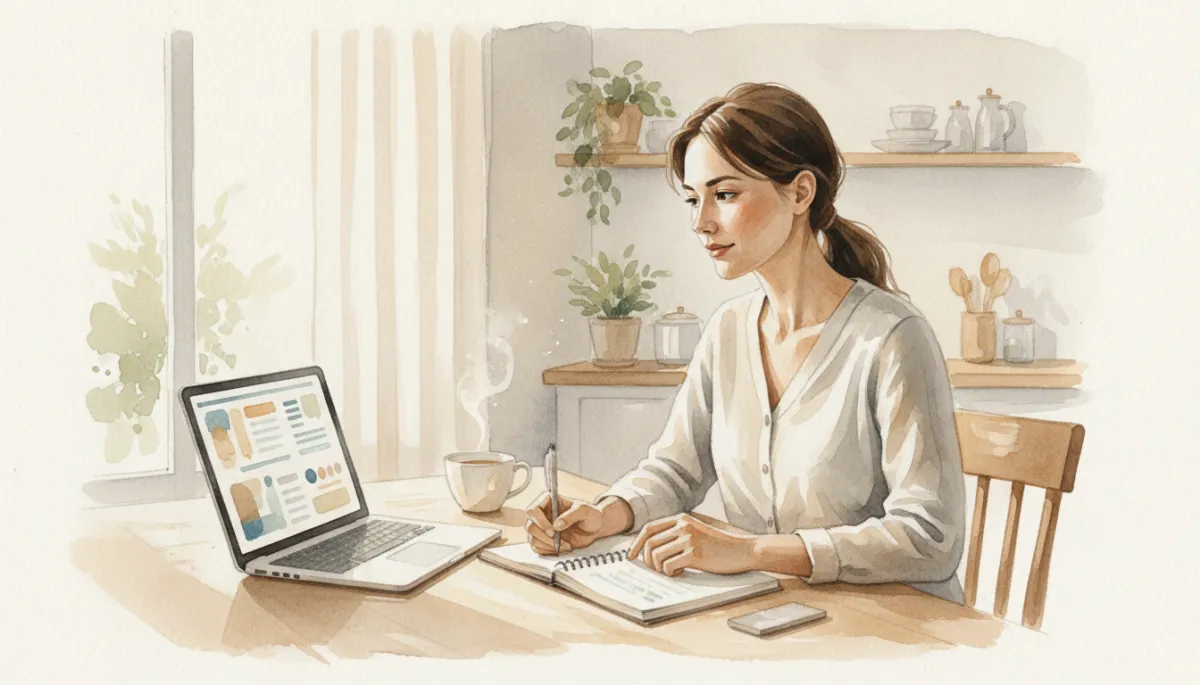
Taking time to research options helps women choose ADHD support that genuinely fits their lives.
Practical Steps if You Suspect You Have ADHD
If you’re an adult woman wondering whether ADHD might be part of your story, there are concrete steps you can take as an empowered individual and consumer:
Track your experiences. Jot down patterns: missed deadlines, emotional crashes, clutter, or hyperfocus. Real-life examples can be powerful in appointments.
Seek a professional assessment. Ideally, find a clinician with experience in adult ADHD and women’s mental health. Ask directly about their familiarity with diagnosing women.
Consider a toolkit, not a single solution. Medication, therapy, coaching, lifestyle changes, and practical tools (planners, timers, reminders) can all play a role. The “right” mix is the one that supports your values and daily reality.
📌 Key takeaway: You are allowed to ask questions, shop around for providers, and change course if something isn’t working. That’s not being difficult—that’s being a thoughtful health consumer.
Redefining Strength and Success with ADHD
Living as a woman with ADHD often means rewriting old stories about what it means to be “responsible,” “successful,” or “put together.” Strength might look like using a shared family calendar instead of keeping everything in your head. It might mean saying no to extra commitments, outsourcing cleaning if you can, or choosing a career path that values creativity and flexibility over rigid routines.
As an individual, you are more than any diagnosis. As a consumer, you have the right to seek information and support that honours your lived experience. The more openly we talk about women with ADHD, the easier it becomes for others to recognise themselves—not as failures, but as people whose brains work differently and deserve understanding.
If this resonates with you, consider this an invitation: explore further, ask questions, and treat yourself with the same compassion you offer the people you love. Your challenges are real, and so are your strengths—and both deserve to be seen.
