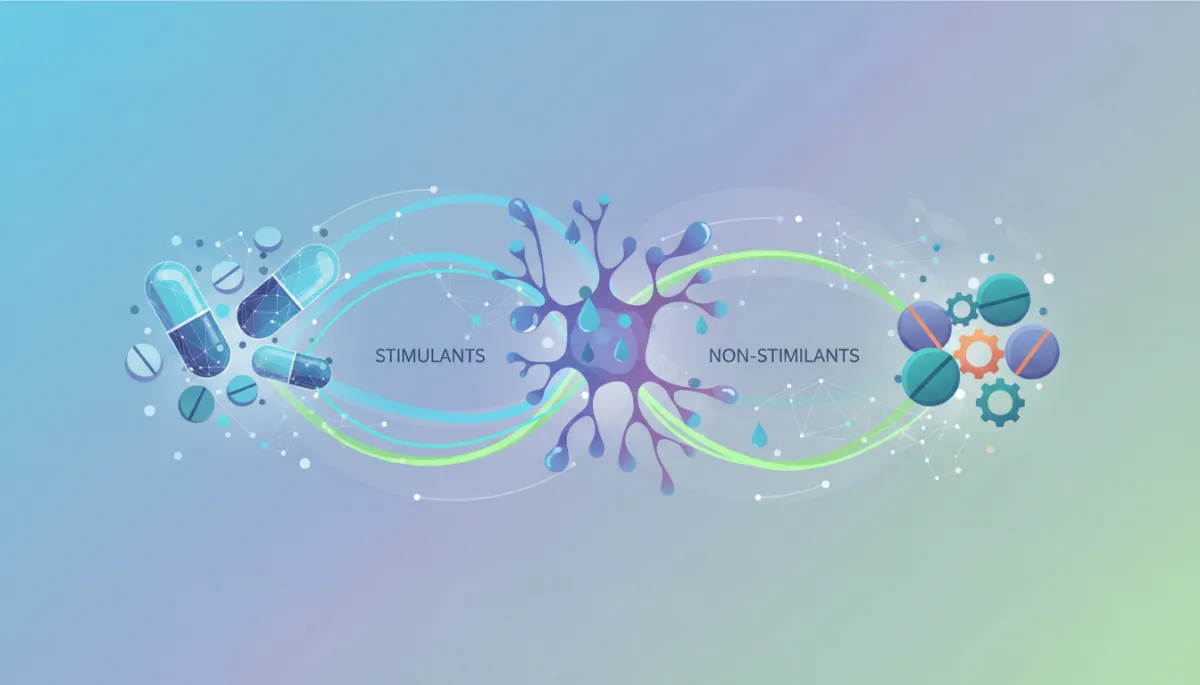
Guide to ADHD Medications: Options & Insights
ADHD, Medication Options, Mental Health Care
Understanding Different Types of ADHD Medications for Individuals and Families
If you or someone you love has been diagnosed with ADHD, it is natural to feel both relief and uncertainty. Relief that there is a name for what you have been experiencing, and uncertainty about what treatment — especially medication — will look like. This guide offers a calm, evidence-based overview of the main types of ADHD medications so you can make informed, personalized choices with your provider.
Why Medication Is Only One Piece of ADHD Care
ADHD affects attention, impulse control, emotional regulation, and motivation. For many adolescents and adults, medication can significantly improve focus, follow-through, and overall quality of life. Still, it is not a one-size-fits-all solution. At Holistic Mental Health, LLC, we view medication as one tool within a broader, whole-person approach that may also include therapy, lifestyle changes, and support for sleep, nutrition, and stress management.
Every individual brings a unique history, body, and set of goals. The “right” ADHD medication for one person may not be right for another. Understanding the main categories of medications can help you feel more empowered during conversations with your psychiatric provider.
Stimulant Medications: Often the First-Line Option
Stimulants are the most commonly prescribed medications for ADHD and have been extensively studied. They work primarily by increasing the availability of dopamine and norepinephrine in the brain, chemicals that support attention, motivation, and the ability to filter distractions. Despite the name, stimulants often have a calming, organizing effect for people with ADHD.
Methylphenidate-Based Medications
Methylphenidate is a widely used stimulant found in medications such as Ritalin, Concerta, and others. These come in short-acting forms that last a few hours and long-acting forms designed to cover most of the day. Some individuals find methylphenidate-based medications smoother or gentler; others may notice appetite changes, difficulty falling asleep, or irritability as the medication wears off. Careful dosing and timing can often reduce these effects.
Amphetamine-Based Medications
Amphetamine-based stimulants include Adderall, Vyvanse, and related medications. Like methylphenidate, they are available in different formulations and durations. Some individuals respond better to this class, noticing clearer focus or longer-lasting effects. Others may experience side effects such as increased heart rate, jitteriness, or mood shifts. Because each person’s brain chemistry is different, it is common to try more than one type under close medical supervision to identify the best fit.
📌 Key Takeaway: Stimulants are often very effective for ADHD, but the exact medication, dose, and schedule should be carefully tailored to your body, lifestyle, and co-existing conditions.
Non-Stimulant ADHD Medications: Alternatives and Add-Ons
Not everyone can or wants to take stimulant medication. Some individuals have medical conditions, side effects, or personal preferences that make non-stimulant options a better starting point or a helpful addition. Non-stimulants tend to have a more gradual onset and may be especially useful when anxiety, tics, or sleep issues are also present.
Atomoxetine and Similar Medications
Atomoxetine (Strattera) is a non-stimulant that works mainly on norepinephrine. It is taken daily and may take several weeks to reach full effect. For some people, this slower, steadier action feels more comfortable and can support attention throughout the day without the “on/off” sensation sometimes reported with stimulants. Possible side effects can include nausea, fatigue, or changes in blood pressure, which your provider will monitor.
Alpha-2 Agonists and Other Options
Medications such as guanfacine and clonidine (often used for blood pressure) can also help with ADHD symptoms, particularly hyperactivity, impulsivity, and emotional dysregulation. They may be especially helpful for adolescents who struggle with sleep or irritability, or for individuals who have tics. In some cases, these medications are used alone; in others, they are combined with a stimulant for more complete symptom coverage.

Careful education and follow-up help individuals use ADHD medications safely and confidently.
Targeting Treatment to the Individual, Not Just the Diagnosis
At Holistic Mental Health, LLC, we do not simply match a diagnosis to a medication. We take time to understand your story: your daily routines, work or school demands, sleep patterns, medical history, cultural background, and personal values. This collaborative process helps us choose medications that align with your goals and your life, not just your symptoms.
For adolescents, we may consider school schedules, appetite and growth, family routines, and emotional changes during puberty.
For adults, we explore work demands, driving, parenting responsibilities, and co-existing conditions such as anxiety, depression, or postpartum mood changes.
For individuals in Arizona, Washington, Montana, and Oklahoma, we also consider access to pharmacies, telehealth preferences, and local support resources.
💡 Pro Tip: Keep a simple journal of your focus, mood, sleep, and appetite when starting or adjusting ADHD medication. These notes can be invaluable in fine-tuning your treatment.
Questions to Ask Your Provider About ADHD Medication
A respectful, transparent conversation with your psychiatric provider is essential. You might ask:
Which type of ADHD medication are you recommending, and why?
What benefits should I expect, and how soon might I notice them?
What side effects should I watch for, and when should I contact you?
How will we monitor my progress and adjust the plan over time?
Taking the Next Step in Your ADHD Care
Living with ADHD can be challenging, but you do not have to navigate it alone. There are multiple types of medications — stimulant and non-stimulant — that can be thoughtfully tailored to your individual needs, values, and health history. When combined with therapy, lifestyle support, and a compassionate care team, medication can be a powerful tool in helping you regain clarity, confidence, and balance.
Holistic Mental Health, LLC is here to help. We offer care for both adolescents and adults. You deserve a treatment plan that sees you as a whole person — not just a diagnosis.
To begin a personalized conversation about ADHD medications and holistic support, request an appointment online or contact our office by phone. Together, we can explore the options and move toward a steadier, more focused life on your terms.
