
Effective ADHD Behavioral Strategies for Wellness
Mental Health, ADHD, Behavioral Strategies
Behavioral Strategies for Living Well With ADHD
ADHD affects how you focus, organize, and regulate your energy—but it does not define your worth or your potential. With the right behavioral strategies, many people learn to work with their brains rather than against them. At Holistic Mental Health, LLC, we support individuals in Arizona, Washington, Montana, and Oklahoma in building practical, compassionate tools for everyday life.
Start With Self-Compassion, Not Self-Criticism
Many individuals with ADHD have heard messages like “just try harder” or “you’re so disorganized.” Over time, these comments can become an internal voice of shame. Behavioral strategies are far more effective when they grow from self-understanding instead of self-blame. ADHD is a neurodevelopmental condition, not a character flaw. Your brain processes information differently, and that means you deserve tools tailored to you—not one-size-fits-all advice.
💡 Gentle Reminder: Progress with ADHD is rarely linear. Small, consistent changes matter more than perfection.
Build External Structure: Make the Invisible Visible
ADHD often makes it hard to hold plans and priorities in your mind. One powerful behavioral strategy is to move those tasks out of your head and into the world. The goal is to make what matters to you visible, concrete, and harder to forget.
Use one “home base” for tasks. Choose a single planner, app, or notebook instead of scattered lists. Check it at the same times each day—morning, midday, and evening—to strengthen the habit.
Create visual cues. Place a medication box by your toothbrush, put a gym bag by the front door, or set a bill next to your keys. These small environmental changes reduce the need for willpower and memory.
Time-block your day. Instead of a long to-do list, assign tasks to specific time windows. For many people with ADHD, a clear “when” is more helpful than a vague “sometime today.”
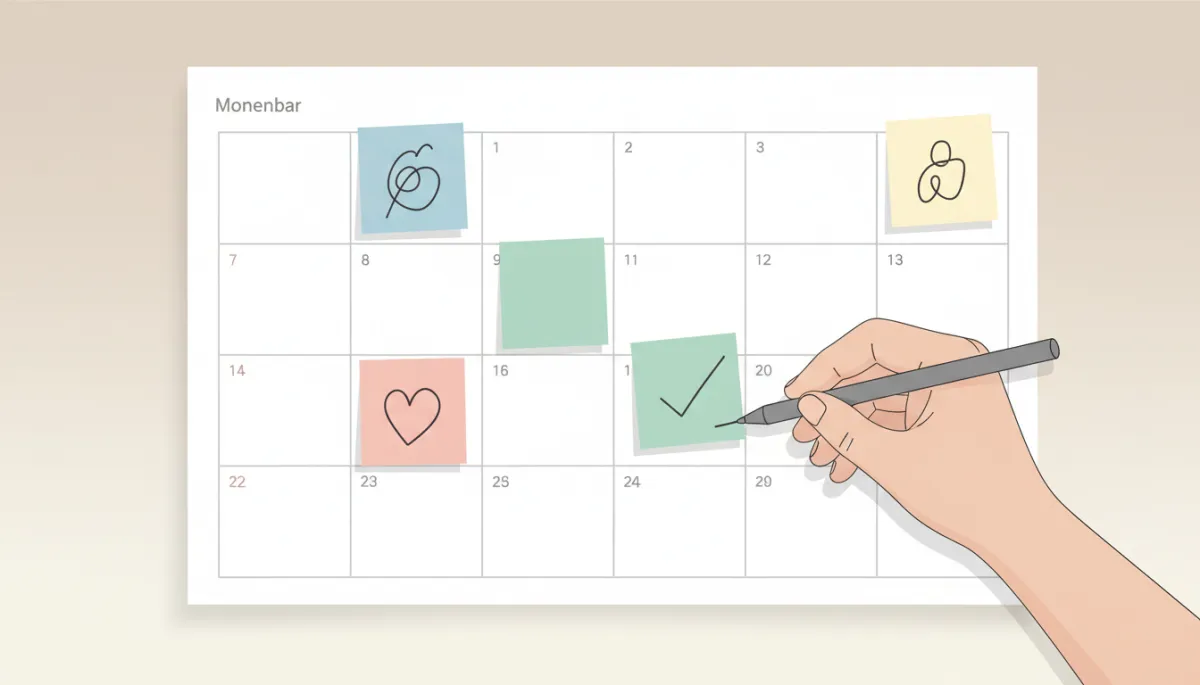
External structure turns intentions into visible, manageable steps throughout the day.
Break Tasks Into Tiny, Doable Steps
A common ADHD experience is feeling frozen in front of a big task—starting a work project, cleaning a room, or writing an email. Your brain may see it as one overwhelming block instead of a series of steps. Behavioral strategies focus on shrinking tasks until they feel almost too small to resist.
Ask, “What is the very first step?” That might be opening your laptop, putting dirty dishes in the sink, or writing a two-sentence outline. Once you start moving, momentum often follows.
Use the “5-minute rule.” Commit to work on a task for just five minutes. When the timer ends, you can stop without guilt—or keep going if you feel engaged.
Celebrate small wins. Each completed micro-step is evidence that you can move forward, even on hard days.
Support Focus With Body-Based Strategies
ADHD is not just about attention; it also involves energy and movement. Many individuals concentrate better when their bodies are engaged in gentle, repetitive activity. Instead of fighting this, you can intentionally build it into your routine.
Try movement breaks every 30–60 minutes—stretching, walking, or a few stairs. This can reset your focus and reduce restlessness.
Use tools like fidget items, standing desks, or balance cushions if they help you stay present. What looks like “fidgeting” from the outside can be a valid self-regulation strategy.
Protect the basics: regular meals, hydration, and sleep. Blood sugar crashes and exhaustion can intensify ADHD symptoms and make behavioral strategies harder to use.
Use Technology as a Gentle Partner, Not a Judge
Phones and devices can be distracting, but they can also be powerful supports when used thoughtfully. The key is to set them up to work with your ADHD, not against it.
Schedule multiple, kind reminders for important tasks—medications, appointments, or transitions between activities. Use reassuring language in your alerts, such as “Time to take care of you: medication” rather than “Don’t forget again.”
Try focus timers or apps that block distracting sites during work periods. Begin with short intervals and build up as you learn what works best for your attention span.
Relationships, Boundaries, and Asking for Support
ADHD affects more than productivity; it also touches relationships, self-esteem, and daily responsibilities. Behavioral strategies can include how you communicate your needs to others. You might share, “I have ADHD, so I do better with written reminders,” or “If a task is urgent, please tell me directly rather than hinting.” Clear, respectful communication can reduce misunderstandings and shame.
For some individuals, accountability partners are helpful—someone you text when you start and finish a task, or a friend who joins you on a video call while you both work quietly. The goal is not to rely on others forever, but to create supportive structures while you strengthen your own skills.
When to Consider Professional Help
If ADHD symptoms are interfering with school, work, relationships, or your sense of self-worth, you do not have to navigate this alone. Evidence-based care often combines behavioral strategies, coaching or therapy, and when appropriate, medication. At Holistic Mental Health, LLC, we take a whole-person approach—considering your environment, strengths, culture, and goals as we craft a plan together.
Whether you are an adult who has struggled for years or an adolescent just beginning to explore an ADHD diagnosis, it is possible to build a life that feels more organized, grounded, and aligned with who you are. Behavioral strategies are not about becoming a different person; they are about creating conditions where your brain can thrive.
📌 Key Takeaway: Sustainable ADHD strategies are practical, compassionate, and tailored to your real life—not to someone else’s idea of “perfect.”
Taking Your Next Step Toward Support
If you recognize yourself in these experiences and would like individualized guidance, compassionate psychiatric care is available. Holistic Mental Health, LLC offers support for ADHD and other mental health concerns. Together, we can explore behavioral strategies, medication options, and lifestyle supports that fit you.
You deserve care that sees the whole person behind the diagnosis. If you are ready to take the next step, you can request an appointment online or by phone to begin personalized mental health care tailored to your needs and goals.
